

From New Dawn 210 (May-June 2025)
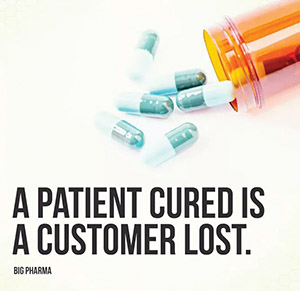
“A patient cured is a customer lost.”
– Unknown
On January 9, 2025, actor and director Mel Gibson appeared on the popular podcastThe Joe Rogan Experience (episode #2254). One of the most-watched clips from the discussion began at 1:37:16, when Mel Gibson spoke about three friends who all had stage 4 cancer.
“They don’t have cancer anymore,” Gibson stated. When Rogan asked what treatments they had undergone, Gibson mentioned four medications: ivermectin, fenbendazole, hydroxychloroquine, and methylene blue. These medications are often dismissed as quackery by Big Pharma. However, they have allegedly been effective in treating not only COVID-19 but also a variety of other diseases, including cancer.
“This stuff works, man,” Gibson asserted, explaining that the methods he and others use for optimal health do not profit Big Pharma and are therefore vilified.
“There’s a lot of stuff that does work, which is very strange, because when you hear about things that are demonised and then turn out to be effective, you always wonder, ‘What is going on here?’ responded Rogan.
In fact, substantial research is being conducted into these treatments, many “repurposed” or “repositioned” because they were not originally intended to treat cancer or COVID-19. But you won’t hear anything of it in mainstream media or from so-called government “health” authorities.
“How have our medical institutions failed us so badly that treatments which can actually cure us aren’t promoted simply because they’re not profitable or can’t be patented? Whether it’s vitamin D, K2, or magnesium – there’s clearly something wrong,” Rogan added.
The Power of Repurposing
Using a drug for a purpose other than its original intention is not a new concept. This is often a powerful and effective method to cure disease and treat various ailments.
According to the article “Drug Repurposing: An Effective Tool in Modern Drug Discovery,” published in the National Library of Medicine, “Drug repurposing is the technique of using an existing drug or drug candidate for a new treatment or medical condition for which it was not previously indicated. It was initially developed to treat a different medical condition. This process is often described as serendipitous, as it happens unexpectedly. In this case, the undesired side effects of drugs can signal the possibility of their effectiveness for an entirely different medical condition. Generally, these drugs have already established safety in humans and have undergone testing for efficacy against a different disease. This approach allows for a more direct path to preclinical and clinical trials, bypassing many traditional drug development processes, thus reducing risk and costs.”
The benefits of repurposed drugs have proven to be instrumental in treating diseases that lack current treatments or cures. They can also be valuable for common illnesses where approved treatments may result in significant side effects, be too costly for patients, or may not be covered by insurance for similar reasons.
Ivermectin
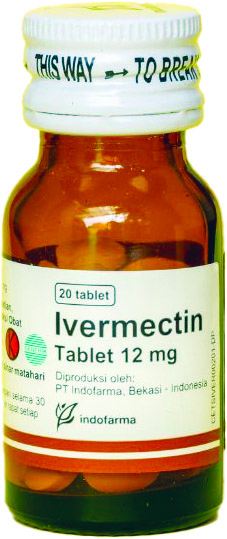
Known as a “miracle drug,” ivermectin is a member of the avermectin family of medicines. It has a long history of use in addressing various health issues in underdeveloped countries. It has been pivotal in the battle against deadly tropical diseases and parasitic infestations in animals.
Discovered in 1975, ivermectin was initially used primarily in veterinary medicine and was approved for human use in 1987. It is effective against infestations such as head lice, scabies, trichuriasis, ascariasis, river blindness, and lymphatic filariasis. For their roles in the discovery and development of ivermectin, William Campbell and Satoshi Omura were awarded the Nobel Prize in Physiology or Medicine in 2015. Since then, ivermectin has been approved by the US Federal Drug Administration (FDA) as an antiparasitic and has become one of the most widely prescribed medications in the world.
However, this changed with the onset of COVID-19.
The COVID-19 years were marked by alarming headlines of mass deaths, leading many people to accept the situation without question. They lined up repeatedly to receive the mRNA vaccines and boosters, sought out officially approved treatments in hospitals, and took prescribed medications that the “experts” claimed would ensure recovery. Unfortunately, these approaches did not work as intended.
Yet, there were effective alternative drugs and remedies. Why didn’t doctors embrace them?
Under US federal law, new vaccines and medications can only receive Emergency Use Authorisation (EUA) when “no adequate, approved, and available alternatives” exist. Because the introduction and wide distribution of COVID-19 mRNA vaccines and expensive new treatments relied upon obtaining this emergency designation, inexpensive, already-approved medications like ivermectin posed a significant obstacle.
In August 2021, retail pharmacies reported a sharp rise in ivermectin prescriptions, prompting an intense public campaign labelling it as a dangerous “horse dewormer.” This portrayal minimised ivermectin’s long-established human uses, Nobel Prize-winning legacy, and extensive research history, effectively sidelining it from mainstream consideration. Had ivermectin been widely recognised as effective, the pharmaceutical industry’s ability to market COVID-19 as a persistent emergency would have diminished significantly, threatening substantial financial incentives.
As a repurposed medication, ivermectin was overshadowed by a medical industry that benefited from keeping it in obscurity. Doctors who suggested its use for COVID-19, especially in its early stages, found themselves on “disinformation lists,” faced license suspensions, and endured bans and censorship. Nevertheless, many brave physicians continued to prescribe it as part of treatment protocols for the virus and later for vaccine side effects, risking their careers and lives.
Ample research indicates that ivermectin works effectively as an antiviral and aids many individuals in their recovery from COVID-19. The Independent Medical Alliance (formerly known as the FLCCC) provides an in-depth look at ivermectin on their website. They feature a comprehensive meta-analysis of 105 studies involving 220,423 patients across 30 countries, demonstrating that ivermectin significantly reduced risks related to mortality, ventilation, ICU admission, hospitalisation, recovery time, case numbers, and viral clearance. Additionally, a thorough 31-page review of trial data was published in Frontiers of Pharmacology in June 2021. A search on PubMed reveals over 700 studies on ivermectin, confirming that the research is readily available.
But can ivermectin cure cancer?
According to over 360 research papers found under a search for ivermectin and cancer on PubMed, evidence suggests that ivermectin can inhibit the growth of cancer cells and downregulate cancer cell expression. Research conducted by the IMA indicates that ivermectin “may inhibit the growth of various cancer cells by disrupting multiple signalling pathways essential for cancer cell survival.” For instance, a study titled “Ivermectin as an Inhibitor of Cancer Stem-Like Cells,” conducted in February 2018, aimed to demonstrate that ivermectin preferentially inhibited cancer stem-like cells (CSCs) in breast cancer, downregulating the expression of “stemness” genes.
Another study, “Anthelmintic Drug Ivermectin Inhibits Angiogenesis, Growth, and Survival of Glioblastoma Through Inducing Mitochondrial Dysfunction and Oxidative Stress,” published in November 2016, found that “the inhibitory effects of ivermectin are significantly reversed in mitochondria-deficient cells or cells treated with antioxidants.” This further confirms that ivermectin acts by inhibiting mitochondrial respiration and inducing oxidative stress. Importantly, the study indicates that ivermectin suppresses phosphorylation of Akt, mTOR, and ribosomal S6 in glioblastoma and human brain microvascular endothelial cells, suggesting its inhibitory role in deactivating the Akt/mTOR pathway. Overall, this research underscores ivermectin as a valuable addition to the treatment options available for various health conditions.
Many studies are conducted using animal models, typically mice, and they show great promise for human applications. However, it would be beneficial if the medical industry allocated more funding for human studies. Big Pharma often finances medical research, which can cost millions of dollars, leading smaller research studies to be overlooked. As a result, these smaller studies may or may not gain acceptance in medical journals, which are also influenced by the interests of Big Pharma.
Additionally, it’s important to point out that an increasing body of research has established significant links between certain bacterial and parasitic infections and the development of specific cancers. A landmark study published in The Lancet Infectious Diseases (2006) titled “Infectious causes of cancer: a global perspective” estimated that 15–20% of global cancers may have an infectious origin, with the burden particularly high in developing countries.
Hydroxychloroquine
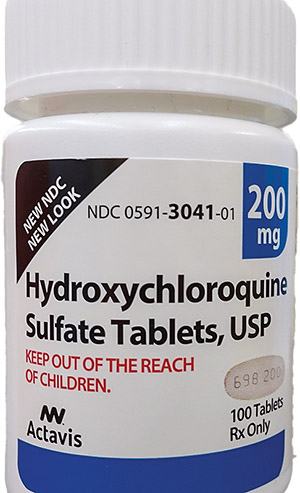
Hydroxychloroquine has faced scrutiny similar to ivermectin, despite numerous studies demonstrating its efficacy as a potent tool in the fight against COVID-19. This less toxic derivative of chloroquine has been proven effective in inhibiting SARS-CoV-2 infection.
Regarding cancer treatment, several studies have explored its applications, including the paper titled “Hydroxychloroquine: Key Therapeutic Advances and Emerging Nanotechnological Landscape for Cancer Mitigation,” published in the December 1, 2023, edition of Chemical Biological Interactions by the National Center for Biotechnology Information. Hydroxychloroquine (HCQ) is classified as a unique medication widely used in cancer treatment. HCQ plays a dual role by inhibiting autophagy induced by the tumour microenvironment (TME). Preclinical studies support the use of HCQ for anti-cancer therapy, especially when combined with conventional treatments, as it can sensitise tumour cells to drugs, enhancing therapeutic effectiveness.
Fenbendazole
Another drug of interest is fenbendazole, which Mel Gibson cited in his interview. Fenbendazole has been used to treat rodent pinworm infections due to its ease of use and minimal side effects. Research has been conducted in animal models, such as in the November 2008 Journal of the American Association of Laboratory Animal Science, which reported the “Unexpected Antitumorigenic Effect of Fenbendazole When Combined with Supplementary Vitamins.” This study found that combining vitamins and fenbendazole in a diet resulted in “significant inhibition of tumour growth,” but this effect was observed only in mice that received both treatments, not in control groups that received either only vitamins or only fenbendazole.
In terms of human studies, “Oral Fenbendazole for Cancer Therapy in Humans and Animals,” published in the September 2024 issue of Anticancer Research, indicates that the anti-cancer activity of fenbendazole has been investigated across various cell lines, showing anti-tumour effects against multiple cancer types. Ongoing research suggests that fenbendazole may disrupt microtubules, which are structures involved in cell division and growth. By interfering with microtubule function, fenbendazole may inhibit the division and proliferation of cancer cells.
Another anthelmintic medication, mebendazole, is specifically formulated for human use and has demonstrated anti-cancer effects. Previous studies indicate that when mebendazole is used in conjunction with other targeted therapy drugs, it may be effective in treating advanced colorectal cancer and pancreatic cancer.
Vitamin C
Another promising cancer treatment, high-dose intravenous vitamin C (HDIVC), has been around for some time, and new studies continue to support it. However, most doctors and nearly all hospitals avoid using it. Why is that?
In an article titled “Cancer Treatment and High Dose IV Vitamin C” on NatureMed.com, a study from the University of Iowa found that when combined with chemotherapy, high-dose intravenous vitamin C doubled survival rates for patients with late-stage metastatic pancreatic cancer. The article references studies dating back to the 1950s that highlight the positive effects of HDIVC on cancer treatment. Additionally, the US National Institutes of Health has awarded nearly 2,000 grants for research on this treatment.
A single but highly significant issue is that pharmaceutical companies cannot patent vitamin C, which means that, like many other potentially groundbreaking treatments, its use is suppressed and restricted. This denial of access affects not only patients who have exhausted other treatment options but also those who are willing to try anything for a chance at survival.
The Big Blue Powerhouse: Methylene Blue

Mel Gibson and Joe Rogan also discussed the increasing use of methylene blue for various health issues, particularly its role in enhancing mitochondrial health in cells.
This synthetic compound, available both over the counter and by prescription, was originally created in the 1870s as a textile dye due to its vibrant blue colour. Its other beneficial properties soon became apparent, including its therapeutic effects against malaria. Methylene blue also shows promise as an antibiotic and antipsychotic, and since the 19th century, it has been repurposed to treat cyanide and carbon monoxide poisoning.
In recent years, methylene blue has been associated with improved brain function, enhanced memory, elevated mood levels, and potentially reduced risks of cognitive diseases such as Parkinson’s, various forms of dementia, and Alzheimer’s.
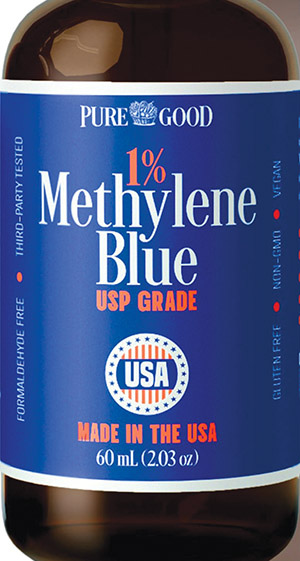
According to Dr. Eric Berg’s article “Methylene Blue: Benefits, Uses, and Risks,” this remarkable drug operates by improving mitochondrial energy metabolism. It acts as an artificial electron carrier in the electron transport chain (ETC) – a series of proteins embedded in the inner membrane of mitochondria. These electron carriers help shuttle electrons between molecules for energy conversion. By increasing mitochondrial respiration and facilitating electron transport, methylene blue can enhance energy production, thereby linking it to positive effects on mood, energy levels, cardiovascular health (by improving blood circulation and lowering blood pressure), neurodegenerative diseases, and gastrointestinal issues.
Methylene blue also possesses antimicrobial properties that inhibit the growth of Candida species, staph bacteria, and even E. coli. Research suggests it may offer liver protection by activating SIRT1, enhancing fat metabolism, and supporting hormonal balance. Additionally, it may aid in increasing fat-burning and activating AMPK, known as the “metabolic master switch.”
In cancer treatment, several studies have indicated that combining methylene blue with photodynamic therapy can reduce tumour sizes in various cancers, including carcinomas, colorectal cancer, and melanoma. A systematic review published on September 28, 2023, in Frontiers in Pharmacology, found evidence supporting the effectiveness of photodynamic therapy with methylene blue against multiple cancer types. While there was a modest decrease in tumour size in breast cancer and HeLa models, the results for colorectal tumours, carcinomas, and melanomas were particularly promising. The findings encouraged continued pharmaceutical development of a dosage form based on methylene blue and further investigation into its therapeutic applications.
A study, “Methylene blue in clinical practice for cancer identification,” published on July 26, 2022, in Precision and Future Medicine, found that methylene blue could improve tumour detection with minimal error. This study demonstrated the feasibility of utilising methylene blue-based imaging during surgery to identify tumour lesions, such as diagnosing solitary fibrous tumours in the pancreas and identifying parathyroid adenomas and paragangliomas. An intravenous injection of methylene blue at a dose of 1.0 mg/kg, either immediately before surgery or three hours prior to surgery, produced fluorescent signals in 20 out of 24 patients with breast cancer.
Despite its benefits, methylene blue has some drawbacks, including interactions with SSRIs, potential harm to fetuses for pregnant and breastfeeding women, and drug interactions that can lead to anemia.
It’s essential to discuss the use of this powerful compound with a doctor or pharmacist to ensure its safety and determine the correct dosages. Typical side effects may include nausea, vomiting, confusion, and headaches. Additionally, it can cause your tongue, urine, and faeces to turn blue.
DMSO (Dimethyl sulfoxide)
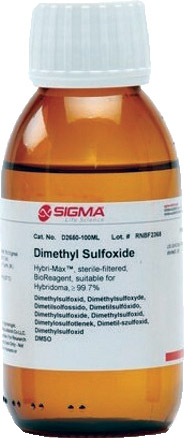
Midwestern Doctor, in his Substack article “Hundreds of Studies Show DMSO Transforms The Treatment of Cancer,” discusses a remarkably cheap but overlooked treatment for cancer: DMSO (Dimethyl sulfoxide). Several studies demonstrate that DMSO effectively treats various conditions, including cancer, by inhibiting tumour growth and reverting cancer cells to their normal state. Additionally, DMSO may help mitigate some of the damage caused by chemotherapy and radiation, as well as relieve pain from metastatic cancer. DMSO can enhance the treatment’s effectiveness for those undergoing chemotherapy, potentially reducing the number of sessions required.
Midwestern Doctor asserts that DMSO has the potential to revolutionise cancer care when combined with other natural therapies. However, he noted that few people are aware of DMSO’s existence, and doctors rarely incorporate it into treatment plans.
“[S]ince so much money is involved (e.g., 65% of oncologists’ revenues come from chemotherapy drugs, and cancer medications represent the most profitable drug market), there is significant pushback against anyone who attempts alternative cancer therapies making it very difficult to practice unconventional cancer care – particularly since no alternative treatment works all the time,” notes Midwestern Doctor.

Get the issue this article appears in
The Future is Personalised medicine
As alternative treatments gain acceptance, perhaps driven by movements like MAHA (Make America Healthy Again), there is hope that the research community will produce more well-funded and unbiased studies on these options.
Moreover, there is optimism that artificial intelligence (AI) can contribute to the future of medicine by personalising treatment based on individual needs and potential effectiveness rather than aligning with the interests of pharmaceutical corporations. The integration of AI in medicine requires rigorous public oversight to prevent its misuse by powerful entities seeking to steer research toward their financial interests.
Personalised medicine has the potential to ensure that we, as patients, do not fall into the trap of “one drug fits all,” where a single medication is prioritised and alternatives are sidelined. AI-driven medicine can identify ALL the most suitable treatments, including repurposed medications, that align with how nature and biology function in each individual, proposing the best healing protocols rather than relying on the latest trend in pharmaceuticals. After all, we humans are not “one size fits all,” so why should our medical treatments be?
In the meantime, individuals are taking on the role of their own medical detectives, uncovering truths that have historically been obscured by those profiting from misinformation and deception.
Disclaimer: This article is for informational purposes only and does not replace professional medical advice. Always consult a qualified healthcare provider before self-treatment.
Sources
youtube.com/watch?v=1rYtrS5IbrQ (Joe Rogan Experience)
alternativemedicine.com/cancer/facts-you-might-not-have-known-about-fenbendazole/
drberg.com/blog/fascinating-health-benefits-of-methylene-blue
x.com/DrJesseMorse/status/1887928040929534294 (Dr Jesse Morse explains the benefits of methylene blue)
media.mercola.com/ImageServer/Public/2024/October/PDF/methylene-blue-benefits-side-effects-pdf.pdf
imahealth.org/an-approach-to-the-use-of-repurposed-drugs-in-patients-with-cancer/
journals.lww.com/americantherapeutics/fulltext/2021/08000/
ivermectin_for_prevention_and_treatment_of.7.aspx
midwesterndoctor.com/p/hundreds-of-studies-show-dmso-transforms
osti.gov/biblio/22696697
pnas.org/doi/abs/10.1073/pnas.73.10.3685
pmc.ncbi.nlm.nih.gov/articles/PMC9945820
pmc.ncbi.nlm.nih.gov/articles/PMC10631450
pubmed.ncbi.nlm.nih.gov/19049251
sciencedirect.com/science/article/pii/S1572100024000863
© New Dawn Magazine and the respective author.
For our reproduction notice, click here.